

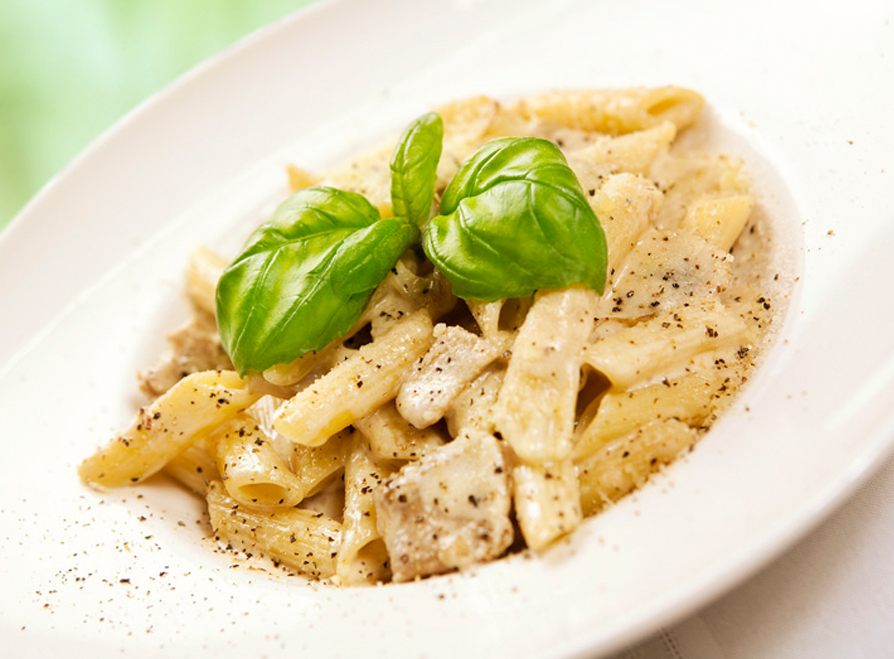
Cooking pasta doesn’t seem difficult at first glance, and most of us can probably do it without too much trouble. However, if you take a closer look at the art of pasta cooking, true Italian food lovers may have some additional questions. Should I add salt to the cooking water? Or oil? Should the finished pasta be rinsed with cold water? In this blog post, we’ve put together 10 common pasta cooking mistakes to watch out for if you want to achieve the best possible pasta.
1. Use a large pot to cook the pasta.
Choose a pot big enough to cook the pasta in – this will allow the pasta to move around freely in the pot as it cooks. If you use a pot that is too small, it will compress the pasta into a tight, sticky ball of pasta during cooking. This is definitely not the result you want. Instead, choose a pot with at least a 7-litre capacity, which gives the pasta enough room to ‘breathe’.
2. Add enough cooking water to the pot.
Often when we are hungry, it seems a good idea to use less water to cook pasta so that it boils more quickly. At this point it’s a good idea not to. In the same way that pasta needs a big enough pot to be cooked to perfection, it also needs a big enough pot of water so that the pasta is covered in water when it is cooked. Otherwise, some pieces of pasta or spaghetti ends may remain too hard and spoil the final result. To cook one standard-sized packet of pasta, you need 5-6 litres of water (about 1 litre of liquid for every 100 g of dry pasta).
3. Add salt to the stock. And then some more.
Close your ears for a few seconds to general dietary advice and season the pasta water with a good amount of salt. Two sprinkles of salt is not enough here, you need at least 1 teaspoon of salt per 5-6 litres. Remember what a splash of sea water tastes like? It’s the saltiness that you need to cook the pasta and that gives it the right flavour. Remember that a lot of the added salt stays in the cooking water when you cook the pasta.
4. Bring the water to the boil.
Let it come to the boil before adding the pasta, or wait for large bubbles. Don’t rush to add the pasta when the water is just coming to the boil, or when it is boiling in small bubbles. Pasta masters will tell you that rushing can also lead to ‘raw’ pieces of pasta in the final dish. Such a result, however, would sadden any true pasta lover.
5. Do not add oil to the cooking water.
Although some paste application tutorials recommend adding a little oil to the paste to prevent sticking, professionals do not recommend it. Rather, it is recommended to help prevent sticking by stirring the pasta during cooking (see next point). In addition, the oil may make the surface of the pasta too slippery for the sauce, which will cause the sauce to slide off the top of the pasta and not stick to it. It is therefore better not to add oil.
6. Mix, mix, mix.
It’s not a good idea to leave the pot too far away when cooking pasta, or to dive into social media while you’re cooking. In fact, when cooking pasta, it is the cook’s duty to help the pasta to cook by stirring it at least 2-3 times during cooking. Of course, you can also stir the pasta the whole time it’s cooking, if you’ve got the stamina. In return for your care and perseverance, you will end up with a finished pasta that doesn’t stick together.
7. Keep track of the cooking times for different pastas.
As there are many different types of pasta, the cooking times vary. The cooking time depends on the type of pasta, the quantity and the type (wholemeal, gluten-free, etc.) and it is advisable to check the packaging before cooking. It is a good idea to know that filled pasta, such as ravioli, will rise to the surface when cooked and remain there. Generally speaking, the following timing guidelines can be followed when cooking different types of pasta.
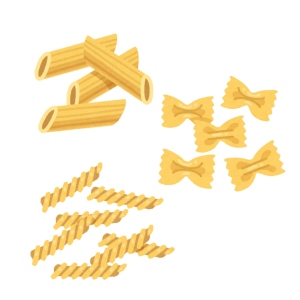
– Fresh pasta, especially egg pasta (fettucine, tagliatelle, lasagna): 3 – 5 min.
– Thin, dry durum flour (eggy) pasta (spaghettini, clams, rotini): 6 – 9 min.
– Dry spaghetti usually needs 8 – 9 mins to cook, depending on the brand and the thickness of the spaghetti.
– Thick, dry durum wheat (eggless) pasta (penne, ziti, tortigioni, trofie): 12 – 15 mins.
8. Test the pasta for doneness 2 minutes before it is ready.
It’s a wise thing to check the pasta’s cooking time on the packaging, but don’t think it’s scripture. Start checking the pasta’s readiness 2 minutes before the expected time. The finished pasta is tooth-wrinkling (al dente in common parlance). However, if there are ‘raw’ white streaks or specks in the centre of the pasta, this means that it needs a little more cooking. Overcooked pasta, on the other hand, is very soft and tends to fall apart.
9. Set aside a small cup of pasta water.
When the pasta is ready, take 2 seconds to make a little side dish that most home cooks skip. Namely, when you start draining the pasta, leave a small cup of pasta water. This starch-rich water is great for binding the pasta to the sauce, and also for diluting thicker sauces so they don’t stick to the bottom of the pot.
10. Rinse, do not rinse.
Turn the pasta and add the sauce. You can also add drained pasta to a sauce pot or sauce pan. If necessary, don’t forget to use pasta water to finish the dish. In the case of creamy vegetable-based sauces (e.g. tomato sauces), it is possible to place the pasta in the hot sauce 1-2 minutes before the end of the cooking time for a couple of minutes to ‘finish’.
NOTE! Do not rinse drained pasta with cold water! (That is, of course, unless you plan to use the pasta cold, for example in a pasta salad). Otherwise, rinsing will remove all the necessary starch from the surface of the pasta to help it bind to the sauce. The water will also wash away some of the salt that has been absorbed into the pasta.
Bon appetit and enjoy your pasta experiments!
For inspiration, swing by the Da Vinci Food e-shop or find your favourites from our wide selection of pasta dishes at Da Vinci Pasta & Pizza restaurants!