

Bruschetta – simple Italian pastry magic
A slice of toasted ciabatta, garlic and a drizzle of extra-virgin olive oil – for simplicity lovers, that’s all you need for one good bruschetta. Bruschettas have long been loved for their simplicity and flavour. The history of bruschetta dates back to the time when the Etruscans of Rome and Tuscany used to roast in the oven slices of garlic-rubbed bread left over from the previous day, drizzled with olive oil before being put in the oven. The olive oil used had to be as fresh as possible. Fresh bruschetta from the oven were served with wine. Even an Italian proverb teaches that to enjoy the best bruschetta, you need to use ‘a day’s old bread’, ‘a month’s old oil’ and ‘a year’s old wine’.
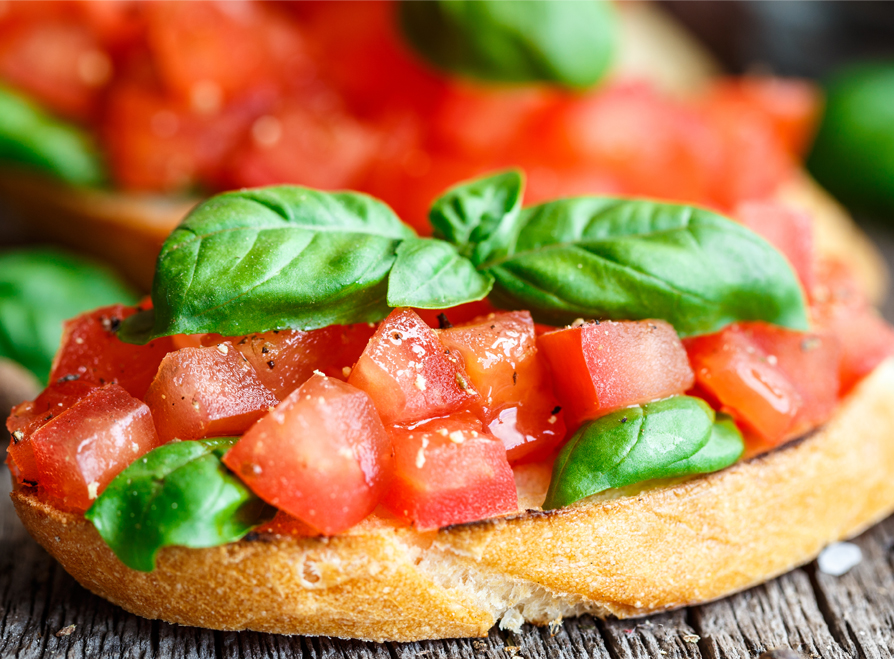
In addition to the oil – which had to be extra-virgin olive oil from Italy – a ripe and juicy tomato was a key ingredient in making a good bruschetta. To make the bruschetta coating, the tomatoes were diced and seasoned with salt and herbs (oregano, basil). This tradition dates back to ancient times in the hot tomato fields of Italy, where farmers who harvested tomatoes would eat a snack of homemade slices of pâté, rubbed with tomatoes plucked from the field.
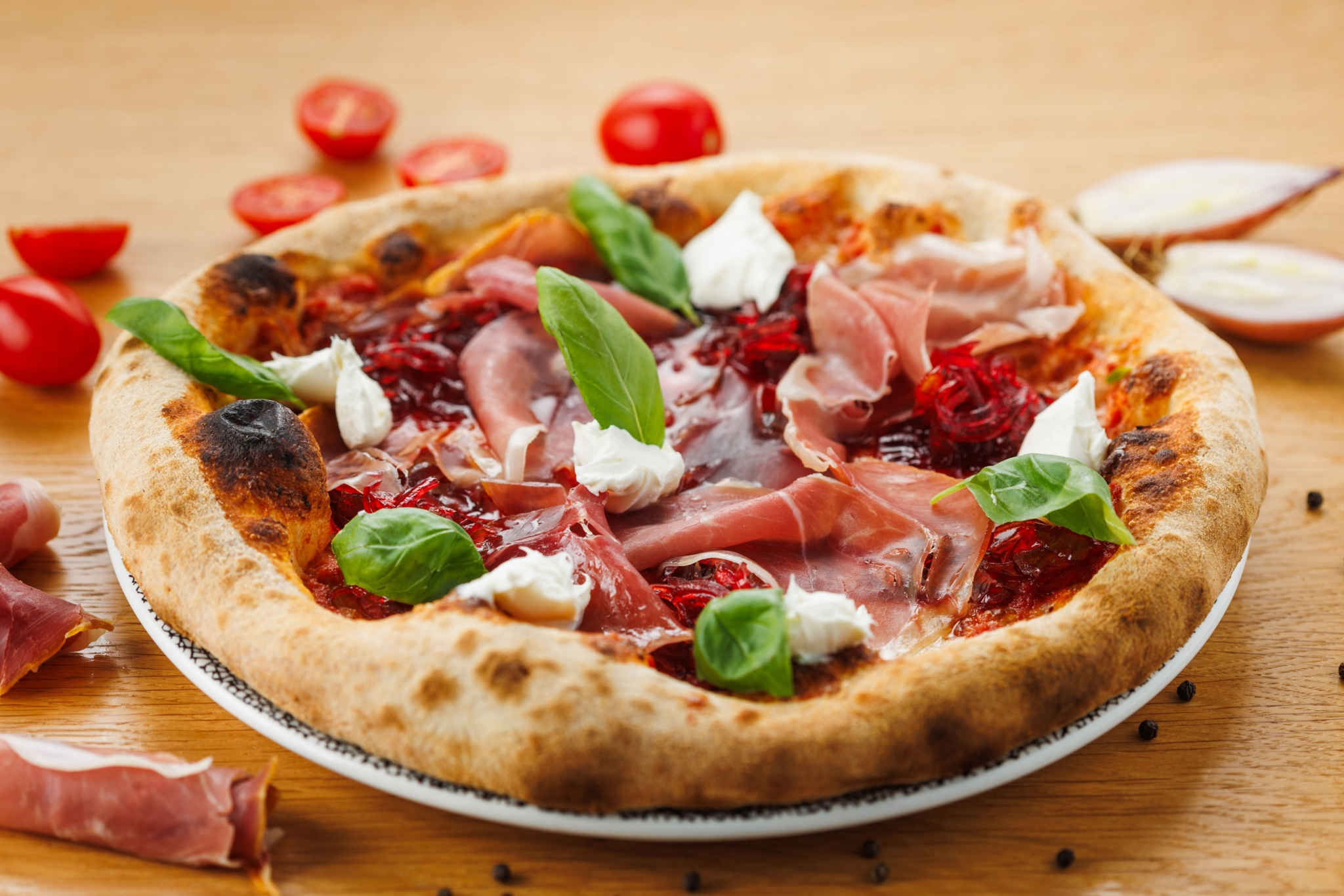
In Italy, the type of bruschetta on offer depends on where you are, so in each city it comes with a starter and its own flavour. In the Tuscan version, only garlic and oil are used to cover the bruschetta, while in Naples tomatoes are added. In many places in Tuscany, bruschetta is served with cuts of meat: prosciutto, chicken liver, or freshly made sausages. It is also sometimes served with pork fat, which melts deliciously into a slice of toasted ciabatta. Other classic bruschetta toppings include courgette, aubergine, mushrooms, peppers and a variety of cheeses that can be grated or smeared on the bread. Gourmets can also add a truffle slice as a garnish during truffle season.