

The Mediterranean regions have a long and distinguished history and so does their food culture. The best known representatives of Mediterranean cuisine are undoubtedly Italy, France, Greece and Spain. However, other countries on the eastern and southern shores of the Mediterranean are also included, including Turkey, Egypt, Tunisia and Morocco.
The Mediterranean countries share a common history and a climate and economic environment influenced by the Mediterranean. The Mediterranean has also been the natural habitat of olive trees throughout history. This has led to a number of similarities in the Mediterranean’s food culture, and to the place of olives and olive oil in the diets of all the surrounding regions. In addition to olives and olive oil, the Mediterranean countries share two other ‘staple foods’: wheat (including wheat bran and pasta) and grapes and the wine made from them.
Mediterranean cuisine is often associated with the Mediterranean diet, which is thought to have positive health benefits. The Mediterranean diet is mainly influenced by the traditional dietary patterns of Greece, Italy and Spain. It is classically characterised by a diet rich in extra virgin olive oil, pulses, unrefined cereals and fruit and vegetables. It is also relatively high in fish and moderate in certain dairy products (yoghurt, cheese) and wine. The Mediterranean-style diet has a low intake of red meat.
This type of diet is thought to have a number of beneficial effects on our health. The most studied effects of a Mediterranean-style diet are on our heart and blood vessels. Studies have shown that it reduces risk factors for heart disease by helping to lower blood pressure and normalise cholesterol levels. It also protects against other chronic diseases, including diabetes and cancers. The consumption of olive oil, which is typical of the Mediterranean region, is thought to play an important role here.
Among our Mediterranean favourites that we highly recommend trying are the following Mediterranean culinary gems:
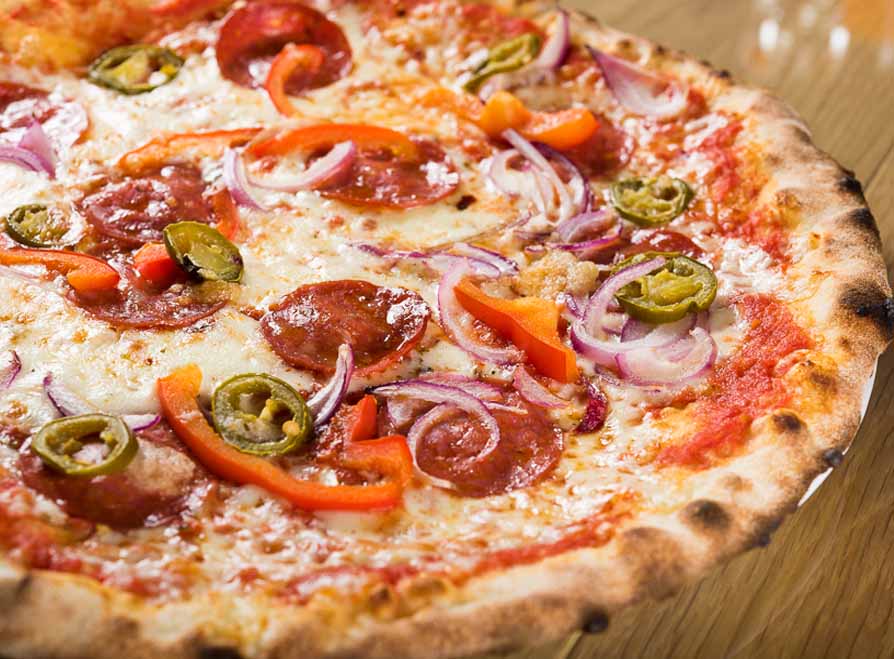
- Pizza is one of the best-known Italian food cultures in the world. Classic Italian-style pizzas are characterised by their pure flavours. In Naples, for example, pizza is topped with tomato paste, anchovies and mozzarella. In Sanremo, onions fried in olive oil with salted sardines have become the traditional topping. In Provence, on the other hand, the pizza is topped with onions, black olives and anchovies and served with slices of olive oil and Parmesan cheese.
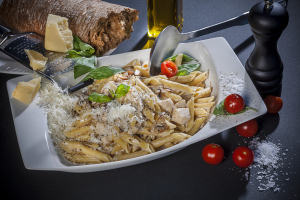
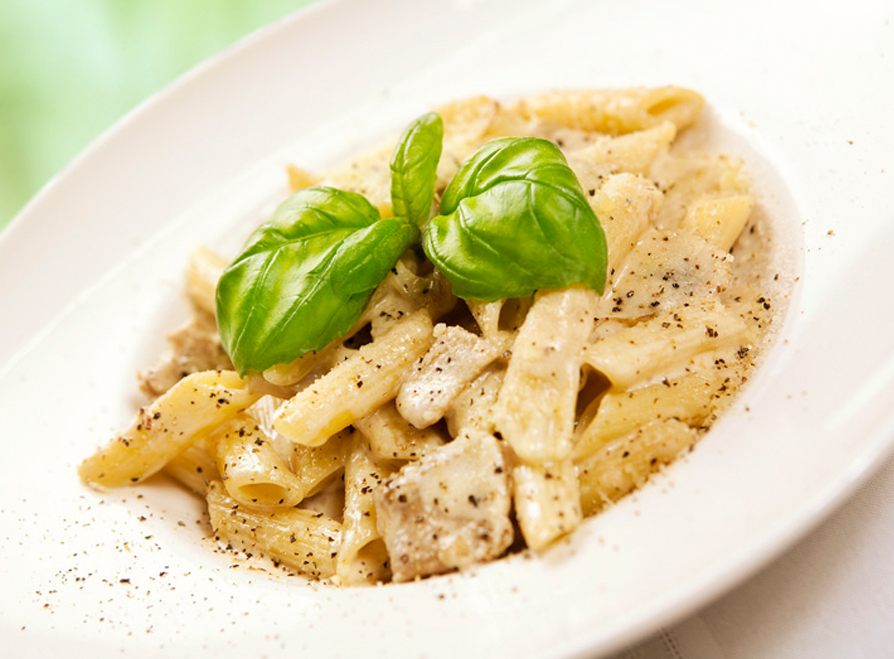
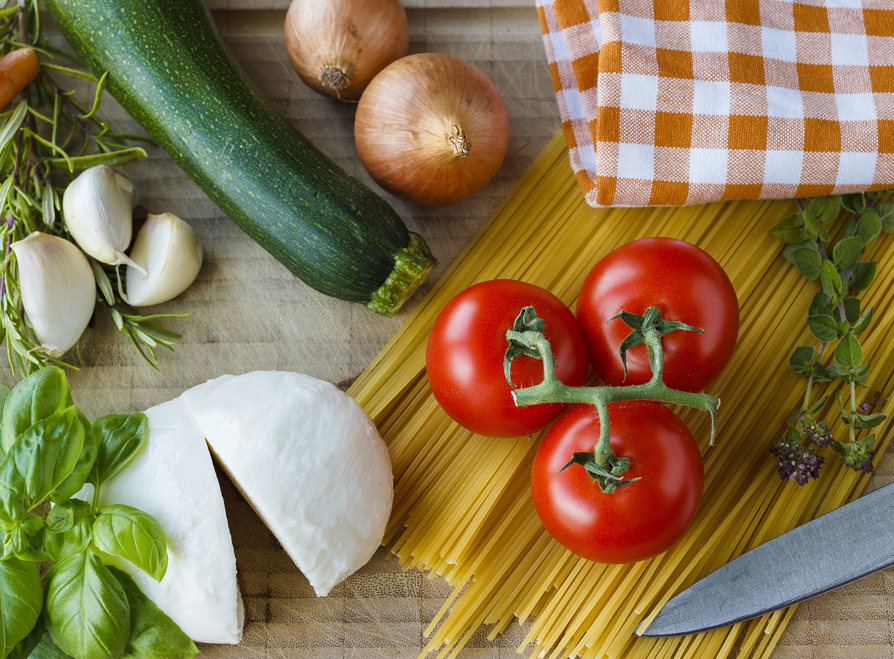
- Pasta is also a food that is often freshly prepared in Italy, and preferred to be enjoyed with relatively few additives. It is very common to serve spaghetti with garlic and olive oil only. The most common pasta sauce in Italy is a simple sauce of ripe tomatoes with garlic and herbs (basil or parsley). In Sicily, on the other hand, the flavours are richer and the pasta is accompanied by sautéed onions, pieces of bacon, garlic, olives and anchovies. Pasta is often garnished with extra olive oil and grated Parmesan cheese.
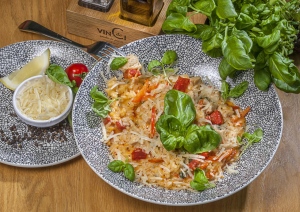
- In Italy, risotto is a combination of gastronomy and food science, and there are specific rules for its preparation. Risotto is made from short-grain rice, which is cooked in advance with the vegetables (including onions and garlic). Broth is then added in batches until the rice is softened and the ingredients are cooked through. There are hundreds of different risotto recipes. In addition to vegetables, seafood, meat, mushrooms and cheese are often added to risotto and seasoned with herbs. In some places, wine is added during the preparation of the risotto.
- Paella is a Spanish rice dish made from long grain rice, unlike the Italian dish ristotto. Paella often includes chicken, pork and various shellfish and is cooked in a wide shallow pan. Vegetables are often added for flavour and saffron for colour. In some parts of Spain, artichoke hearts, peas, peppers, sausages, etc. are also added to paella.
- Bouillabaisse is a stew with a French flavour, containing a wide variety of seafood and vegetables. The rich dish is usually prepared for at least 8 people. Seafood typically includes crayfish, spiny lobster, sea salmon, sea bream, sea cucumber, sole, hake, whitefish and crab. In addition to a wide variety of seafood, bouillabaisse also contains Mediterranean vegetables and herbs, including onions, garlic, tomatoes, thyme, fennel, parsley, bay leaf and orange peel.
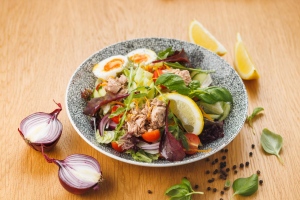
- Nice salad or salade niçoise is a colourful and nutritious salad from France, containing tomatoes, tuna, boiled egg, Niçoise olives and anchovies. The salad components are tossed with a vinaigrette dressing. The traditional Nice salad may also include fresh vegetables: young green beans, red peppers, shallots, artichoke hearts and other seasonal vegetables. In other countries, however, a variant of the ‘Nice salad’ is also common, with cooked beans and boiled potatoes.
- Greek salad is probably one of the best known dishes from Greek cuisine. The classic Greek salad combines tomato, sliced cucumber, onion, feta cheese and (Kalamata) olives. The salad is seasoned with salt and oregano and drizzled with olive oil. Green peppers and/or capers are often added. Outside the country, green salad leaves are often found in Greek salads.
- Moussaka is a dish from Greek cuisine, consisting of three (pre-cooked) layers. The bottom layer is sliced aubergine fried in olive oil. The middle layer is minced lamb, to which tomatoes or tomato puree, onions, garlic and a mixture of spices (cinnamon, cloves, black pepper) are added. The top layer is made up of béchamel sauce or egg sauce.
- Couscous originates from the southern Mediterranean (including Morocco and Tunisia) and is a small grain wheat manna. Couscous is often served with a meat and vegetable sauce (tagine). The North African cuisine is characterised by the use of spices, such as cumin, coriander, saffron, cinnamon, cloves, chilli and paprika, to add colour and flavour. Couscous is also commonly made with dried apricots and raisins.
- Hummus is a popular chickpea-based spread or dip originating in North Africa (including the Egyptian sub-region), which has now spread to many other Mediterranean countries. Hummus is usually made from boiled and mashed chickpeas (or other legumes), mixed with tahini or sesame paste, olive oil, lemon juice, salt and garlic.
If the article gave you some good ideas for your next Mediterranean-style dish, you can find the ingredients you need to make a Mediterranean-style meal in your own style at Da Vinci Food e-shop!
Of course, classic pastas, pizzas and risottos are also waiting for you at Da Vinci restaurants!